7 Principles to Building a Successful HACCP Program
Hazard Analysis and Critical Control Points (HACCP) plans are the backbone of any food safety program. Here are seven principles to consider when creating your HACCP program.
The System
Explore the System
Case Study
Tandem Foods Experiences 80% Reduction in Accidents
See how Tandem Foods used the Intertek Alchemy Frontline Performance System to help reduce accidents, lower employee turnover, address skill gaps, and fill specialized positions.

Results
Case Study
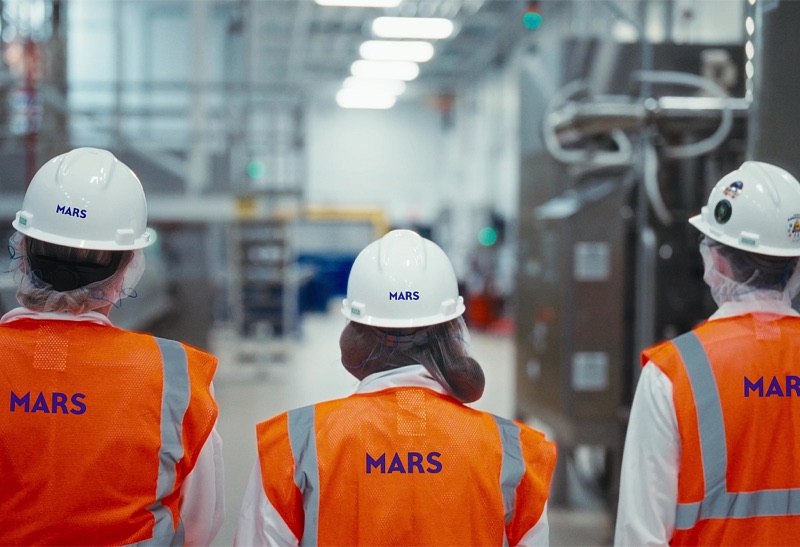
How Mars cut training time by 50%
Mars Santa Catarina cut total training time by 50 to 60%, reduced onboarding from two days to one, and manages 15+ compliance audits annually with confidence across 800+ associates and two 12-hour shifts.
“I can’t stress how valuable Alchemy is.”
Tony Salazar
Director of Learning & Development, JB


Resources
eBook
The Breakpoints framework: less risk, more consistency.
Spot the places your operation is exposed, before they cost you a shift, an audit, or a recall.
Case Study
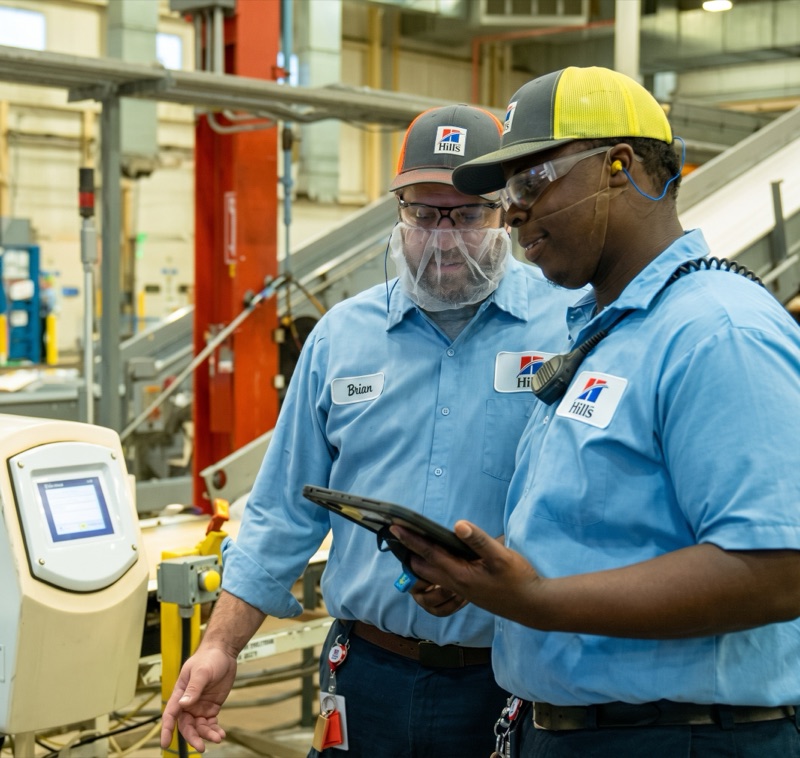
How Hill’s accelerated workforce development to meet rapid production expansion
Hill’s Pet revamped its new hire and operator technical training while expanding its workforce at same time. The results include a 30% reduction in quality holds, faster changeover times, and turnover that’s “almost non-existent.”
By the numbers
60%
of food manufacturers
use Alchemy’s Frontline Performance System.

Hazard Analysis and Critical Control Points (HACCP) plans are the backbone of any food safety program. Here are seven principles to consider when creating your HACCP program.

Food defense has become a major responsibility for everyone involved in producing or preparing food products. Every team member has a role to play. Find out how to train employees to protect foods from intentional adulteration.

trū Shrimp is true sustainability. Through its patented Tidal Basin™ technology, the Minnesota-based startup is growing mass quantities of shrimp in a controlled environment with near-zero waste, changing the way shrimp is produced, with the help of Intertek Alchemy.

A broken global supply chain threatens the safety of our food products. Laura Dunn Nelson offers three ways food processors and manufacturers can reduce their risks.

As I discussed in a previous blog post, I am passionate about putting employees first. Training programs that offer fulfilling careers and a better quality of life are a great way for companies to do that. Compensation is always important, of course. But going beyond basic monetary incentives to offer a diverse work environment with […]

The landscape for food safety requirements and training is changing. Our training expert Holly Mockus shares what you can do now to get ready.

These new developments present the timely opportunity to assess your EMP program team and their technical education. Many companies find that by properly training their EMP team, they can be more proactive and effective in finding and addressing potential bacteria contamination risks.

In this blog, I’ll cover six new requirements under Edition 9, Section 2.1.1, that address senior management’s role in leading and supporting a proper food safety culture, and implementation processes.

Recently updated GFSI benchmarking standards prompted the update to SQF Edition 9 to demonstrate a food safety culture throughout an entire organization as one of the requirements.