

Why your HR system isn’t a replacement for a frontline training platform
Your HR system does plenty of things well. It runs payroll, manages benefits, and moves candidates through hiring. It was built for people who sit at a desk and can click through a module between meetings.
Your production floor doesn’t run that way though.
When the training platform doesn’t reach the floor, teams build workarounds. Paper sign-off sheets. Trainer-led PowerPoint sessions. Completion tracked in spreadsheets. The workaround isn’t the solution. It’s the risk.
Built for the back office, not the line
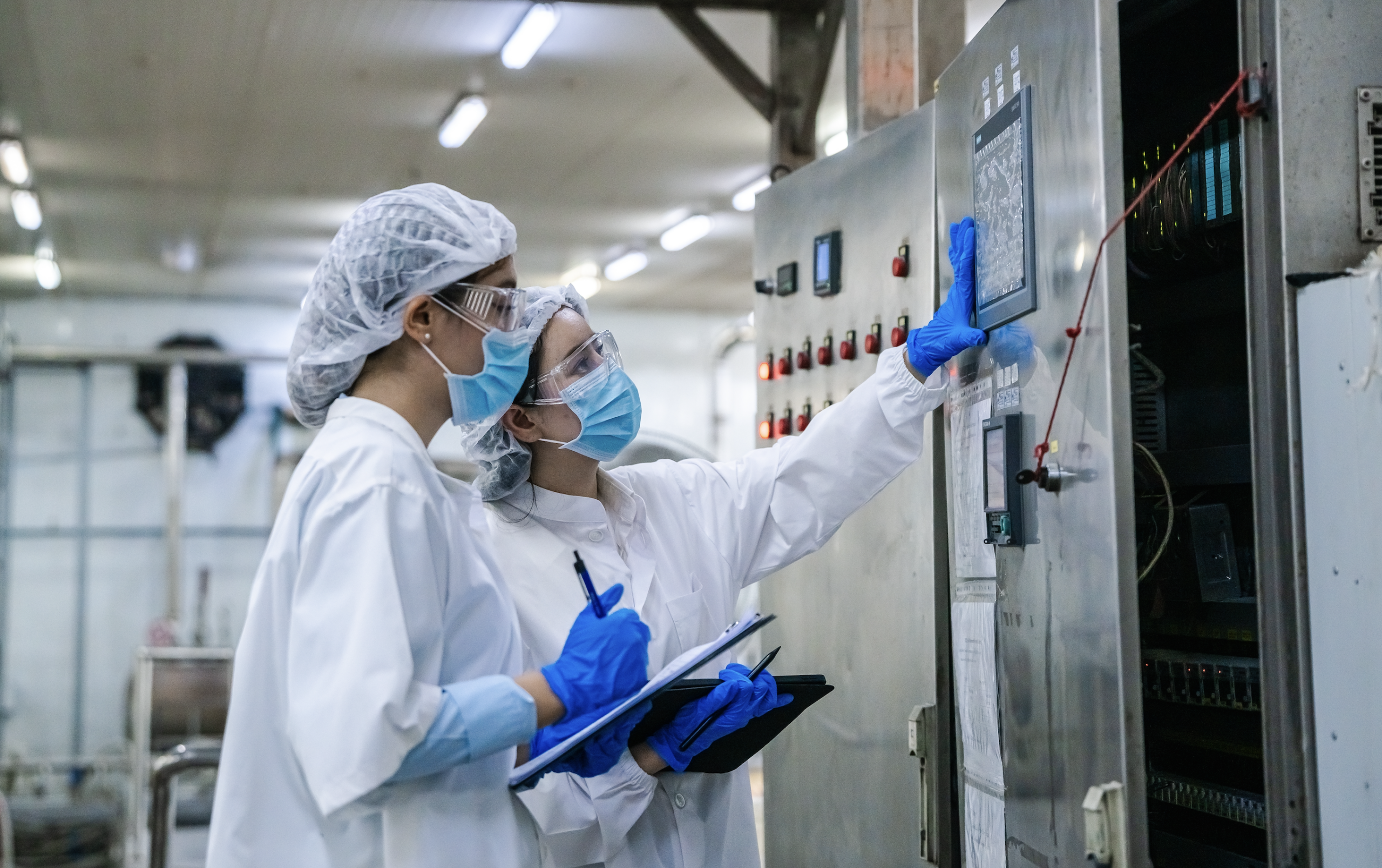
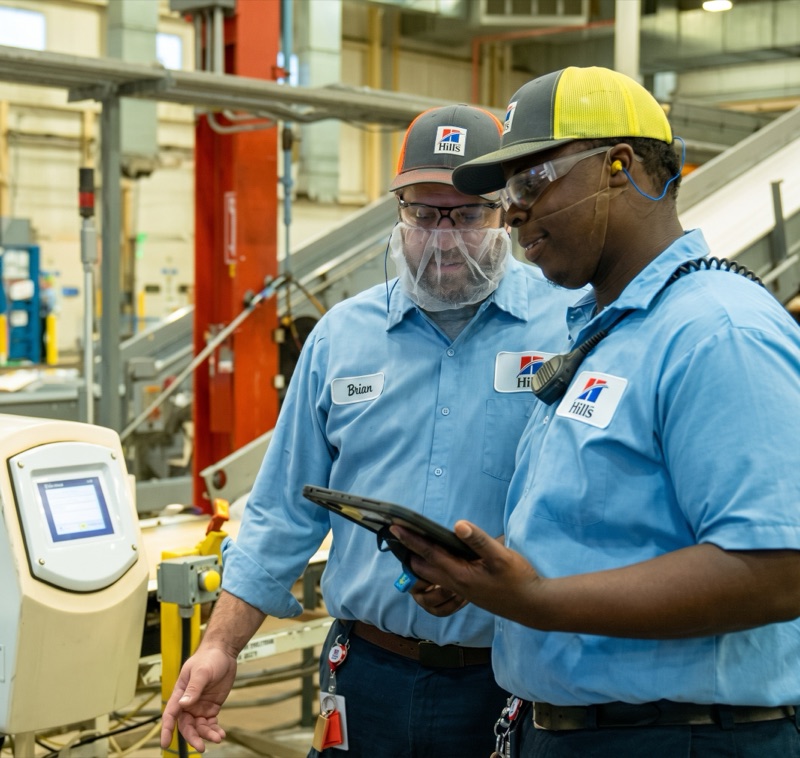
Workday and most generic LMS tools assume a few things about the person on the other end: a company email address, a personal login, a reliable internet connection, and a screen at a workstation. Most frontline workers have none of those. They’re running a line in a hairnet on third shift, and their supervisor needs them back at the station in 20 minutes.
So, training gets assigned to people who can’t open it. Completion rates stall. And the crews most responsible for food safety, sanitation, and lockout/tagout end up the hardest to reach. The timing makes it worse. UKG’s 2025 manufacturing research found 32% of frontline departures happen within a new hire’s first 30 days. If training waits for the next group session or a login to get provisioned, a third of your quits may walk out before it ever reaches them.
The workaround becomes the system
Experienced operators don’t wait for IT to step in. They print sign-off sheets, build a slide deck, and pull a crew into the break room. Training gets done. Look closer at what it costs:
- Consistency slips. Two trainers on two shifts deliver two versions of one procedure.
- Records scatter. Paper sits in one binder, rosters live in someone’s spreadsheet, and nobody has a single view of who completed what.
- Audit prep eats weeks of time. Pulling documentation that should take minutes turns into a hunt across sites.
- Attendance stands in for understanding. A signature proves someone sat in the room. It doesn’t prove they can run the procedure correctly.
That last point is where exposure builds. Auditors and incident investigators don’t ask who attended. They ask who can demonstrate the right steps.
How a global catering company reached a multilingual workforce without email addresses
One of the world’s largest airline catering companies lived this at scale. With more than 25 locations across the U.S. and Canada and a multilingual crew working around the clock, it relied on paper forms, PowerPoint, and trainer-led sessions. Its HR platform couldn’t reach frontline employees, most of whom had no company email. Rosters lived in spreadsheets. Each of the 15-plus compliance audits it faced every year meant digging through paper files.
After moving to Intertek Alchemy, pilot sites finished annual training sessions 4.7 hours faster on average. First-attempt assessment pass rates of 66% climbed to 99% after a remediation loop that sends employees back through the content before they retest. That’s the difference between people who attended training and people who can prove they understood it. Read the full case study.
What a frontline training platform has to do
If your workforce runs the line, the system that trains it has to meet a different standard:
- Reach people without email or individual logins. Group-based training lets one facilitator run a session for a full crew on a single device, with completion recorded for each person.
- Facilitate without Wi-Fi. Production areas, coolers, and loading docks don’t always have signal.
- Speak your crew’s languages. When workers learn in the language they know best, they understand and feel valued.
- Prove comprehension. Assessments and remediation show who understood the content, not just who showed up.
- Keep records audit-ready. Every site, every shift, pulled in minutes.
- Connect to your HRIS. Rosters update automatically when people are hired, transfer, or leave.
Train the floor where the floor works
Your HR system was never meant to train your frontline. The workarounds your team built prove it. Intertek Alchemy pairs hundreds of manufacturing training courses with group delivery, comprehension checks, and audit-ready records built for plants running multiple shifts.
See how it reaches every worker on every shift. Book a demo here.
Frequently asked questions
HR platforms can assign and track courses, but they’re built around individual accounts, email, and desk access. For crews without company email or a dedicated device, those assignments often go unopened. That’s when paper and spreadsheets take over.
No. HR platforms are built to manage people records, not to train crews on the line. Move frontline training to a system designed for the floor and connect it to your HRIS so rosters stay current automatically. Your HR platform keeps doing its job. Your training system does the rest.
Group-based training. A supervisor or trainer leads the session on one device, each participant answers assessment questions, and the system records individual completion and scores without anyone needing a login.
Completion shows someone finished a session. Comprehension shows they understood it. Assessments with remediation, where employees who miss questions review the content and retest, give auditors evidence of understanding rather than attendance.
Centralized digital records mean you can pull training history by employee, site, or topic in minutes. No digging through binders, no reconciling spreadsheets the night before an auditor arrives.