

10 Suggestions from OSHA on How to Kick Off Your Safety Program
Not sure where to begin with your safety program? Want to make sure you are covering all your safety bases?

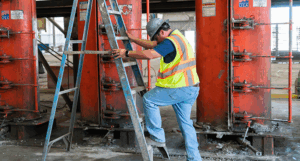
Not sure where to begin with your safety program? Want to make sure you are covering all your safety bases?

Learn valuable information on OSHA requirements as it relates to COVID-19.
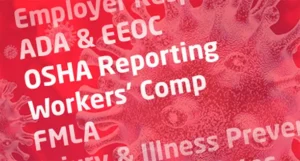
If there is a potential for COVID-19 infection in the workplace, you will want to include the process of classifying your workers according to their risk level: low, medium, or high. Here’s how it works.

The true purpose of an audit isn’t to “catch” you red-handed.

Learn what these OSHA standards are and how you can protect your organization and its workers.

It has become more difficult executing proper foreign material prevention methods over the years, but the FMEA process has helped minimize these risks.

Effective environmental monitoring programs are imperative to protect your facility. EMPs are designed to detect, eliminate, and exclude pathogens.

The Food Safety Modernization Act (FSMA) enacted 7 rules to make the US food supply chain safer. One of those rulings, known as Mitigation Strategies to Protect Food Against Intentional Adulteration, is aimed at preventing intentional adulteration from acts intended to cause wide-scale harm to public health.
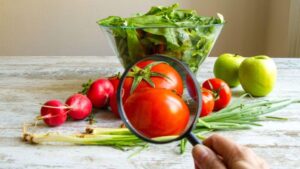
The new SQF Fundamentals Code outlines 6 common causes of food safety hazards to watch out for and account for in your food safety plan. Learn how to spot if they apply to you, and how to implement a solution before you risk failing an audit, or worse, compromising consumers’ safety.