


The Feed

Get the latest tips, trends, and best practices for manufacturing professionals.

6 Methods of Preventing Food Safety Risks

The new SQF Fundamentals Code outlines 6 common causes of food safety hazards to watch out for and account for in your food safety plan. Learn how to spot if they apply to you, and how to implement a solution before you risk failing an audit, or worse, compromising consumers’ safety.

Read more

2018 in Review: The Good, the Bad, and the Ugly

From major foodborne illness outbreaks and product recalls to GFSI standard updates and regulatory advancement, 2018 has been a turbulent year for the food industry. Let’s take a moment to review the past year and discuss what to expect in 2019.

Read more

How to “See Safety” Using Visual Literacy

Learn how to use visual literacy elements to improve safety on the manufacturing floor.

Read more

5 Resources to Meet Protein Processing Challenges

Protein processing faces many challenges, including keeping up with competing interests while still meeting production goals.

Read more

GFSI & Food Safety Culture: Industry Experts Q & A

According to the Global Food Safety Initiative’s (GFSI)’s new guidance document, a strong food safety culture depends on five key dimensions. Our recent webinar covers these dimension in depth and gives strategies on how to align your food culture to GFSI’s goals.

Read more

Counting Down to FSMA’s Final PCQI Deadline

September 17th is the final date for all facilities to meet PCQI requirements in order to fulfill FSMA’s Final Rule for Preventive Controls for Human Food. Get PCQI training online or in the classroom from Alchemy Academy.

Read more

Avoid Fallout from Foodborne –Related Outbreaks and Recalls

The food industry has seen significant fallout amid recent widely publicized foodborne illness outbreaks and recalls related to romaine lettuce and shell eggs. Companies should invest time and money now to validate their food safety systems.

Read more

Get the Dirt on Clean Labels

Learn how to successfully implement clean label changes with a strong training program that gets all frontline workers on board.

Read more

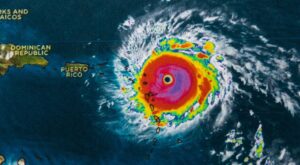
Emergency Action Plans: Preparation is Your Best Defense

OSHA requires Emergency Action Plans for companies with over 10 employees. Learn how to create an EAP that protects employees should disaster strike.

Read more