

The Five Dimensions of a Highly Successful Food Safety Culture
The term “food safety culture” continues to evolve. As GFSI standardizes how it can be measured, now is the time understand these evaluations.


The term “food safety culture” continues to evolve. As GFSI standardizes how it can be measured, now is the time understand these evaluations.
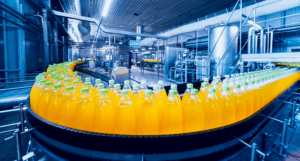
From the rise of more sustainable packaging to an increased focus on health and convenience, here are 5 beverage industry trends to watch in 2021.

Regardless of the size and scope of your company, there are things you can do to improve your traceability program and mitigate the disruptions associated with product recalls.

It has become more difficult executing proper foreign material prevention methods over the years, but the FMEA process has helped minimize these risks.

Verification and Validation assure food safety plans are being followed properly and they are written accurately. Verification and Validation have specific regulatory requirements defined by the USDA, FDA, and GFSI schemes.

Learn the answers to 6 common questions on risk assessment.

Effective environmental monitoring programs are imperative to protect your facility. EMPs are designed to detect, eliminate, and exclude pathogens.

The Food Safety Modernization Act (FSMA) enacted 7 rules to make the US food supply chain safer. One of those rulings, known as Mitigation Strategies to Protect Food Against Intentional Adulteration, is aimed at preventing intentional adulteration from acts intended to cause wide-scale harm to public health.

Investing in a solid employee training program is one way to cut down on the risks associated with toxic pet food related incidents. By incorporating the right interactive courseware that teaches pertinent topics, and a suite of digital tools that can facilitate successful adult learning methods and training strategies, you can empower your workforce on the production floor and throughout the entire supply chain.